
Red Apples: A Delicious Fruit Packed with Health Benefits
Red apples are among the most popular and widely consumed fruits in the world. Known for their attractive red skin, sweet and refreshing taste.
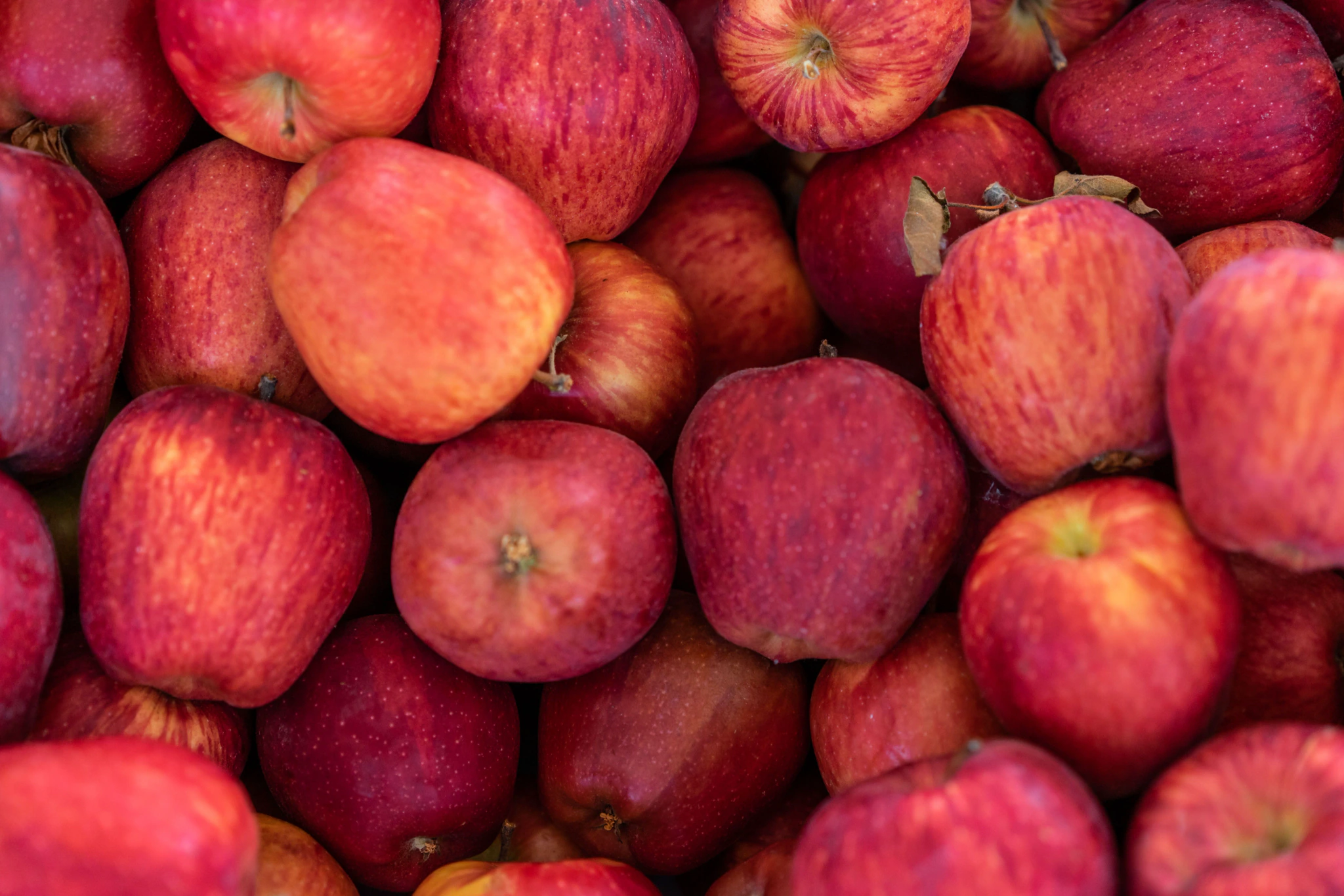
Red apples are among the most popular and widely consumed fruits in the world. Known for their attractive red skin, sweet and refreshing taste, and crunchy texture, they are not only delicious but also highly nutritious. Often associated with the saying, "An apple a day keeps the doctor away," red apples have earned their reputation as an important part of a healthy and balanced diet.
They are available in different varieties, sizes, and flavors, making them a convenient snack for people of all ages. Beyond their taste, red apples contain essential vitamins, minerals, antioxidants, and dietary fiber that contribute to overall health and well-being.
Nutritional Value of Red Apples
Red apples are naturally low in calories and contain several essential nutrients. A medium-sized apple (approximately 182 grams) provides:
Calories: 95 kcal
Carbohydrates: 25 grams
Dietary Fiber: 4.4 grams
Natural Sugars: 19 grams
Vitamin C: Approximately 8.4 mg
Potassium: Approximately 195 mg
Fat: 0.3 grams
Protein: 0.5 grams
Red apples also contain beneficial plant compounds, including quercetin, catechin, and anthocyanins, which act as antioxidants and help protect the body from oxidative stress.
Health Benefits of Red Apples
1. Supports Heart Health
Red apples contain soluble fiber, particularly pectin, which can help maintain healthy cholesterol levels. Their antioxidant compounds may also support healthy blood vessels and reduce oxidative stress, contributing to better cardiovascular health.
2. Improves Digestive Health
The dietary fiber in red apples supports a healthy digestive system. It helps regulate bowel movements, supports beneficial gut bacteria, and may help prevent constipation. Eating apples with their skin provides additional fiber.
3. Helps Maintain a Healthy Weight
Red apples are relatively low in calories and contain a good amount of water and fiber. These qualities help promote fullness, making them an excellent snack for people trying to manage their weight.
4. Supports the Immune System
Red apples provide vitamin C and various antioxidants that help support normal immune function. Regularly including fruits such as apples in a balanced diet contributes to the body's natural defense system.
5. Promotes Healthy Skin
The antioxidants and vitamin C found in red apples contribute to skin health. Vitamin C plays an important role in collagen production, which helps maintain skin structure and elasticity.
6. Supports Brain Health
Apples contain antioxidant compounds, including quercetin, that are being studied for their potential protective effects on brain cells. However, more human research is needed to establish specific brain-health benefits.
7. Helps Support Blood Sugar Management
Although red apples contain natural sugars, their fiber helps slow digestion and the absorption of carbohydrates. Whole apples generally have a more favorable effect on blood sugar than apple juice. People with diabetes can often enjoy apples in appropriate portions as part of a balanced diet.
Importance of Eating Red Apples with Their Skin
The skin of a red apple contains a significant portion of its fiber and beneficial plant compounds. Anthocyanins, which contribute to the red color of certain apple varieties, are also found in the skin.
Eating apples with their skin provides additional nutritional benefits. However, it is important to wash them thoroughly under clean running water before consumption to remove dirt and surface residues.
Different Uses of Red Apples
Red apples are versatile fruits that can be enjoyed in many ways.
Fresh Consumption: They make a convenient and nutritious everyday snack.
Fresh Juices: Red apples can be blended or juiced to create refreshing beverages.
Fruit Salads: Their sweetness and crisp texture make them a great addition to fruit salads.
Desserts: They are commonly used in apple pies, cakes, tarts, and other baked products.
Jams and Preserves: Apples can be cooked into jams, sauces, and fruit spreads.
Smoothies: They can be combined with milk, yogurt, bananas, or other fruits to make nutritious smoothies.
How to Select Fresh and Quality Red Apples
When purchasing red apples, consider the following points:
Choose apples with bright, naturally colored skin.
Look for firm apples without soft spots or bruises.
Avoid fruits with visible mold, deep cuts, or signs of decay.
Select apples that feel heavy for their size.
Prefer fresh-smelling apples without unpleasant odors.
Proper Storage of Red Apples
Proper storage helps maintain the freshness, flavor, and quality of red apples.
Store apples in the refrigerator to keep them fresh for longer.
Keep them in a ventilated bag or the refrigerator's fruit drawer.
Avoid storing damaged or bruised apples with healthy ones.
Keep apples away from strong-smelling foods because they can absorb odors.
Wash apples just before eating rather than before long-term storage.
Apples naturally release ethylene gas, which can speed up the ripening of nearby fruits and vegetables. Therefore, it is best to store them separately when necessary.
Are There Any Side Effects?
Red apples are generally safe and healthy for most people. However, a few considerations are worth keeping in mind:
Eating excessive amounts may cause bloating or digestive discomfort due to their fiber and natural sugars.
People with apple allergies should avoid consuming them.
Individuals with certain digestive sensitivities may experience discomfort from apple fructose and sorbitol.
Whole apples are generally preferable to commercial apple juices because juices often contain less fiber and may have added sugar.
Conclusion
Red apples are much more than a tasty and refreshing fruit. They are a valuable source of dietary fiber, antioxidants, vitamins, and other beneficial plant compounds. From supporting heart and digestive health to contributing to healthy skin and weight management, they offer several nutritional advantages.
Their affordability, availability, versatility, and delicious taste make them an excellent addition to everyday meals. Whether eaten fresh, added to salads, blended into smoothies, or used in desserts, red apples provide a simple and enjoyable way to improve dietary quality.
Including one fresh red apple in your daily diet can be a small but meaningful step toward a healthier lifestyle.

1 comment
Good Information ℹ️👍
Sign in to leave a comment.