
Golden Apples: A Nutritious Fruit with Remarkable Health Benefits
Golden Delicious apples are crisp, sweet orchard fruits valued for their mild flavor and rich nutrient profile. They provide high amounts of dietary fiber, antioxidants, and potassium while remaining naturally low in calories and fat.
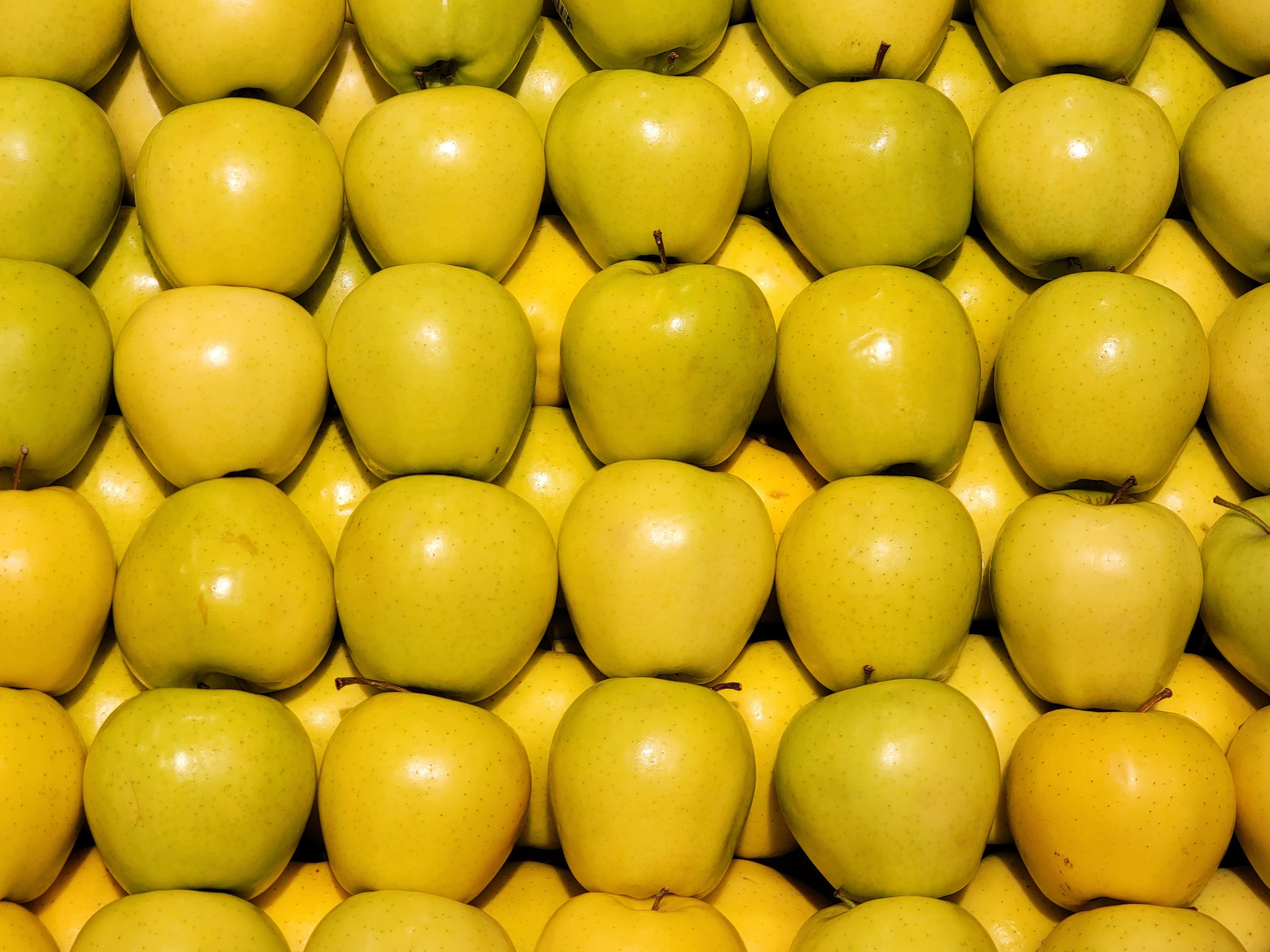
Golden apples are among the most popular apple varieties worldwide, appreciated for their naturally sweet taste, smooth skin, juicy texture, and impressive nutritional value. Often associated with varieties such as Golden Delicious, these apples are not only delicious but also provide several essential nutrients that support overall health and well-being.
Their mild sweetness makes them an excellent snack for people of all ages. Whether eaten fresh, added to fruit salads, blended into smoothies, or used in desserts, golden apples offer a combination of taste, convenience, and nutrition.
Beyond their appealing appearance and flavour, yellow apples contain dietary fibre, vitamin C, antioxidants, and several beneficial plant compounds. These nutrients contribute to digestive health, immune function, heart health, and general wellness.
1. What Are Yellow or Golden Apples?
Yellow apples, commonly known as golden apples, are apple varieties that develop a yellow or golden-green skin when ripe. One of the best-known varieties is the Golden Delicious apple.
They are generally recognized for their:
Bright yellow or golden appearance.
Sweet, mild flavour with a slightly honey-like taste.
Crisp to tender, juicy flesh.
Thin, relatively smooth skin.
Pleasant aroma and versatility in cooking.
Unlike some red or green apple varieties, golden apples usually have a less tart flavour, making them especially appealing to people who prefer naturally sweet fruits.
2. Nutritional Details of Golden Apples
Golden apples are naturally low in calories and contain a variety of nutrients that make them a healthy addition to a balanced diet.
The following table provides approximate nutritional values for 100 grams of raw apple with skin. Values can vary depending on the variety, ripeness, growing conditions, and source.
Nutrient | Approximate amount per 100 g |
|---|---|
Calories | 52 kcal |
Carbohydrates | 13.8 g |
Natural sugars | 10.4 g |
Dietary fibre | 2.4 g |
Protein | 0.3 g |
Fat | 0.2 g |
Water | 85.6 g |
Vitamin C | 4.6 mg |
Potassium | 107 mg |
Calcium | 6 mg |
Magnesium | 5 mg |
Phosphorus | 11 mg |
Vitamin A | 3 µg |
Vitamin K | 2.2 µg |
Important nutritional highlights:
Dietary fibre: Supports digestion and helps maintain regular bowel movements.
Vitamin C: Helps support the immune system and protects cells from oxidative damage.
Potassium: Contributes to normal muscle function and healthy blood pressure regulation.
Natural antioxidants: Help protect cells against oxidative stress.
High water content: Contributes to daily hydration.
Golden apples also contain small amounts of B vitamins and other beneficial plant compounds.
3. Top Health Benefits of Golden Apples
1. Supports Digestive Health
Golden apples are a good source of dietary fibre, particularly pectin, a type of soluble fibre. Fibre helps maintain regular bowel movements, supports healthy digestion, and nourishes beneficial bacteria in the gut.
Eating whole apples with their skin can help increase daily fibre intake and support overall digestive wellness.
2. Strengthens the Immune System
Golden apples contain vitamin C and antioxidant compounds that help protect cells from oxidative damage.
Vitamin C also contributes to the normal functioning of the immune system and supports collagen production, which is important for healthy skin and tissues.
3. Promotes Heart Health
The fibre and plant compounds found in apples may contribute to cardiovascular health.
Pectin may help support healthy cholesterol levels, while potassium contributes to normal blood pressure regulation. Including whole apples in a balanced diet can therefore be part of a heart-conscious eating pattern.
4. Helps with Weight Management
Golden apples are relatively low in calories and contain water and dietary fibre.
These characteristics make them a satisfying snack that can help control unnecessary snacking and support appetite management.
Replacing highly processed snacks with fresh apples is a simple way to improve the nutritional quality of your diet.
5. Supports Healthy Skin
Vitamin C plays an important role in collagen formation, which helps maintain skin structure and elasticity.
The antioxidants in apples also help protect cells against oxidative stress. Although apples cannot independently prevent wrinkles or treat skin conditions, they can contribute to a nutritious diet that supports skin health.
6. May Support Blood Sugar Management
Golden apples contain natural sugars, but they also provide dietary fibre, which slows digestion compared with consuming sugary drinks or fruit juice.
Eating a whole apple with its skin is generally a better choice than drinking filtered apple juice because the whole fruit retains its fibre.
People managing diabetes should still consider portion sizes and include apples within their overall carbohydrate intake.
7. Provides Antioxidant Protection
Golden apples contain beneficial plant compounds, including flavonoids and phenolic compounds.
These substances have antioxidant properties that help protect the body's cells from oxidative stress. Some apple antioxidants are concentrated in the skin, making it beneficial to eat properly washed apples without peeling them.
8. Supports Bone and Muscle Function
Although golden apples are not particularly rich in calcium, they contain small amounts of potassium and other minerals.
Potassium plays a role in normal muscle contraction and nerve function. Eating apples alongside other nutrient-rich foods can contribute to a balanced diet that supports general musculoskeletal health.
Scientific note: Many apple-related health benefits are supported by nutritional research and observational studies. However, eating golden apples alone does not prevent or cure diseases.
4. Unique Characteristics of Golden Apples
Golden apples have several characteristics that distinguish them from other apple varieties.
Natural sweetness: Their mild, sweet flavour makes them suitable for people who prefer less acidic fruit.
Golden appearance: Their yellow-green to golden skin gives them a distinctive appearance.
Juicy flesh: They contain a high percentage of water, contributing to their refreshing texture.
Versatile use: They can be consumed fresh or incorporated into different recipes.
Edible skin: Their skin contains dietary fibre and beneficial plant compounds.
Naturally cholesterol-free: Like other fresh plant foods, they contain no dietary cholesterol.
Low fat content: They contain very little fat, making them suitable for many balanced eating plans.
5. Golden Apples vs. Red and Green Apples
Different apple varieties offer similar basic nutritional benefits, but they differ in taste, texture, and certain plant compounds.
Feature | Golden apples | Red apples | Green apples |
|---|---|---|---|
Taste | Sweet and mild | Sweet to mildly sweet | Usually tart |
Colour | Yellow or golden | Red | Green |
Texture | Juicy and tender | Often crisp | Often firm and crisp |
Fibre | Good source | Good source | Good source |
Vitamin C | Small amounts | Small amounts | Small amounts |
Common use | Snacking and baking | Fresh eating | Salads and baking |
Which one is healthier?
There is no universally healthiest apple colour. All three varieties can contribute valuable fibre, vitamins, and plant compounds to your diet. The best choice is the variety you enjoy eating regularly.
6. How to Include Golden Apples in Your Daily Diet
Golden apples are extremely versatile and can be enjoyed in many different ways.
Here are some easy ideas:
Fresh snack: Eat a properly washed apple between meals.
Fruit salad: Combine sliced golden apples with bananas, oranges, and other seasonal fruits.
Smoothies: Blend golden apples with milk, yogurt, or other fruits.
Breakfast: Add chopped apples to oatmeal or breakfast cereal.
Healthy dessert: Bake apple slices with cinnamon for a naturally sweet treat.
Salads: Add thin apple slices to vegetable salads for a refreshing sweetness.
Apple and nut butter: Pair apple slices with peanut or almond butter for a combination of fibre, healthy fats, and protein.
7. Possible Side Effects and Precautions
Although golden apples are generally safe for most people, a few precautions are worth considering.
Natural sugar content: People with diabetes should monitor portions and account for the carbohydrates in apples.
Digestive sensitivity: Eating large quantities may cause bloating or discomfort in people sensitive to certain fruit sugars.
Allergies: Some individuals experience allergic reactions to apples, including itching or tingling in the mouth.
Pesticide residues: Wash apples thoroughly under running water before eating.
Apple seeds: Avoid chewing or consuming large quantities of apple seeds because they contain compounds that can release cyanide.
For most people, enjoying one medium-sized apple as part of a balanced diet is a reasonable choice.
8. How to Select and Store Fresh Golden Apples
Choosing good-quality apples helps preserve their flavour and freshness.
Tips for selecting golden apples:
Choose apples with firm, smooth skin.
Look for a naturally yellow or golden appearance.
Avoid fruits with deep bruises, cuts, or soft spots.
Select apples that feel heavy for their size.
Check for signs of mould or decay.
Storage recommendations:
Store apples in the refrigerator to maintain freshness.
Keep them away from produce that is sensitive to ethylene gas.
Avoid storing damaged apples with healthy ones.
Wash apples shortly before eating rather than before long-term storage.
Proper refrigeration can help preserve apples for several weeks or longer, depending on their initial freshness and storage conditions.
9. Interesting Facts About Golden Apples
Here are some additional facts that make golden apples interesting:
Golden Delicious apples originated in West Virginia, USA.
The variety was discovered in the early twentieth century.
Golden Delicious is widely cultivated in different parts of the world.
The fruit is popular for both fresh consumption and cooking.
Its sweet flavour makes it a popular ingredient in pies, sauces, salads, and desserts.
Golden Delicious apples were designated the official state fruit of West Virginia in 1955.
Apples continue to ripen after harvesting because they produce a natural plant hormone called ethylene.
10. Why Golden Apples Deserve a Place in Your Diet
Golden apples are a convenient, delicious, and nutritious fruit that can contribute to a healthy lifestyle. Their dietary fibre supports digestive health, vitamin C contributes to immune function, and their plant compounds provide antioxidant activity.
They are also easy to incorporate into everyday meals and snacks without requiring complicated preparation.
While no single fruit can provide all the nutrients the body needs, golden apples are an excellent addition to a varied diet that includes vegetables, whole grains, proteins, and other fruits.
Choosing fresh, whole golden apples rather than heavily processed apple products is one of the simplest ways to enjoy their nutritional benefits.
Conclusion
Yellow or golden apples are much more than an attractive and sweet fruit. They offer a valuable combination of dietary fibre, natural carbohydrates, water, vitamins, minerals, and beneficial plant compounds.
From supporting digestion and contributing to heart health to helping manage appetite and providing antioxidants, golden apples offer several nutritional advantages.
Whether enjoyed as a fresh snack, blended into smoothies, added to salads, or used in homemade desserts, they are a versatile fruit worth including in your daily eating routine.
An apple a day may not keep every illness away, but choosing nutritious fruits like golden apples is certainly a positive step towards a healthier lifestyle.
0 comments
Sign in to leave a comment.